From Library Aide to Courtroom: A 5-Year Certification Sprint
A three-second freeze in the first practice courtroom became the defining moment of a career built one hand sign at a time.
By The Careers DeskAugust 30, 2031 Edition, AI fiction
CareersAug 30, 2031, AI fiction
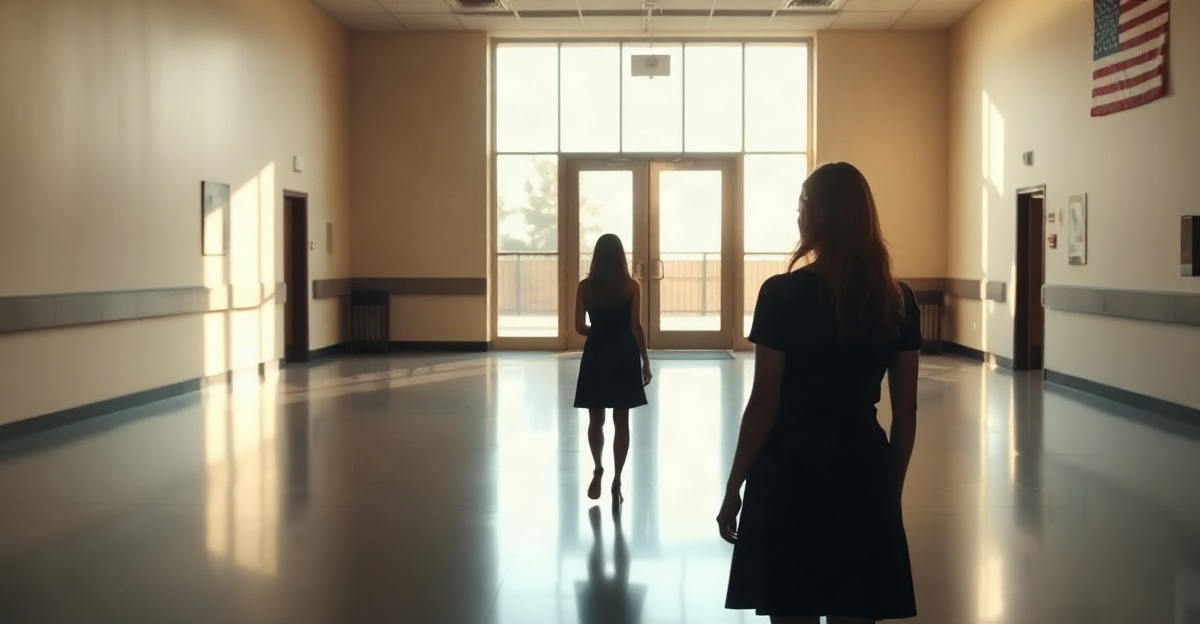
"There was a moment in my first practice courtroom where my hands just stopped. The witness was speaking fast, one word wouldn't come, and I stood there for about three seconds. The judge looked right at me." The interviewee is describing the lowest point of a five-year certification process that ended with them working as a court sign language interpreter in a major city — three days a week, on the floor of an active courtroom.
Five years ago, the interviewee was a library aide. Today they hold a court interpreter certification, report to a courthouse three days per week, and supervise trainee interpreters completing their own practical placements. The distance between those two positions is the length of the credential itself — five years, one examination system, and a single courtroom moment they have carried with them ever since.
The library job paid the bills while the interviewee learned American Sign Language from scratch. Certification for court interpreters is not a short process anywhere in California: candidates must demonstrate fluency, legal vocabulary, and the ability to render live testimony accurately under pressure, in real time, with no second pass. The interviewee spent those five years building toward a standard that left no room for hesitation. The practice courtroom, when it came, was the first proof of whether the preparation had held. It had not — not entirely. A witness accelerated through testimony, a single term went blank, and their hands stopped moving. Three seconds of silence in a room where silence costs people their rights.
They did not leave the courtroom. They did not withdraw from the program. They absorbed the moment and kept moving through the placement. What changed was not their technique in isolation but their relationship to the pause itself. "I still warm up my hands before I walk into a courtroom," they say. "The difference now is that I know how to wait out three seconds."

That recalibration is now visible in the structure of their working week. Three days inside courtrooms. The remaining time includes supervising trainee interpreters — practitioners at the same stage they occupied when their hands stopped in front of a judge. They are, at this point, the person on the other side of that moment: the experienced interpreter watching a trainee freeze, knowing exactly what the silence costs and exactly what it takes to move past it.
Asked what they would say to themselves standing motionless in that practice courtroom — hands still, judge watching, one word missing — the interviewee's answer is the kind of advice that only comes from having already passed through:
Created by AI for personal inspiration only. Not real news or professional advice.
What would you tell a journalist on the day you made it?
Latest editions